"Ozempic Teeth" — What Weight Loss Jabs Are Doing to Your Smile
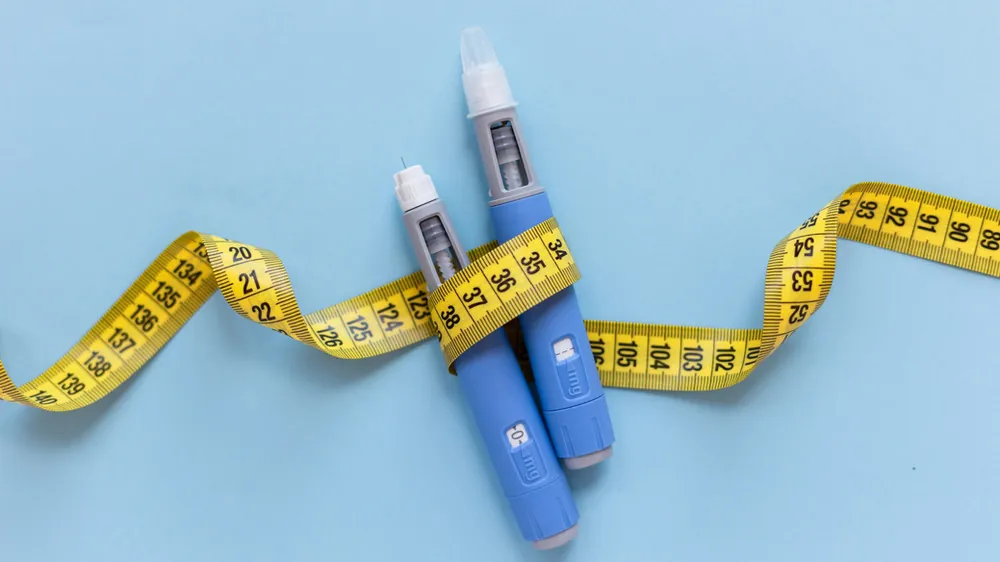
You’ve probably heard of Ozempic. Maybe you know someone on it — or maybe you’re on it yourself. Weight loss injections have become one of the biggest health stories of the decade, and their popularity in the UK is growing fast. But while much of the conversation focuses on the number on the scales, there’s an important side effect that isn’t getting nearly enough attention: what these medications may be doing to your teeth.
At William Place Dental Aesthetics, we’re starting to see it in practice. So this is our honest, clinical take on what’s known — and what you should be doing about it.
How Many People in the UK Are Taking Weight Loss Jabs?
The scale of uptake is genuinely remarkable. According to research published in January 2026 by UCL and funded by Cancer Research UK, an estimated 1.6 million adults in England, Wales and Scotland used medications such as Wegovy and Mounjaro for weight loss between early 2024 and early 2025. A further 3.3 million people said they would be interested in starting one of these drugs in the coming year.
The market itself is growing at pace — the UK GLP-1 drug market reached nearly $850 million USD in 2024, and is projected to more than double by 2030.
In other words: these drugs are everywhere, and the number of patients walking through dental practice doors who are on them is only going to increase.
What Are GLP-1 Medications, Exactly?
Ozempic (semaglutide), Wegovy, Mounjaro (tirzepatide), Saxenda — these are all part of a class of drugs called GLP-1 receptor agonists . Originally developed to manage type 2 diabetes, they work by mimicking a natural hormone that regulates blood sugar and suppresses appetite. The result is reduced hunger, slower digestion, and — for many patients — significant weight loss.
They are effective. Clinical trials show meaningful reductions in body weight, and there is genuine evidence of cardiovascular benefits too. We are not here to discourage anyone from a medication their GP or specialist has prescribed.
But like all medications, they come with side effects — and some of those side effects land squarely in the mouth.
“Ozempic Teeth” — What Is It?
“Ozempic teeth” isn’t an official medical diagnosis. It’s a term that’s emerged from patient communities and dental surgeries to describe a cluster of oral health changes that some people on GLP-1 medications experience. It covers everything from dry mouth and increased sensitivity to accelerated decay and, in more severe cases, cracked or broken teeth.
The key thing to understand is that the drugs don’t directly damage teeth . What they do is set off a chain of indirect effects that create the perfect environment for dental problems to develop — and develop quickly.
The Mechanisms: Why It Happens
1. Dry Mouth (Xerostomia)
This is the big one. GLP-1 medications act on receptors throughout the body — including in the salivary glands — and can significantly reduce saliva production. They also suppress the sensation of thirst, meaning patients often drink less water than they should. The combined effect is a persistently dry mouth.
Saliva does far more than most people realise. It neutralises acids, washes away food particles, and delivers minerals that continuously remineralise enamel. Without adequate saliva, the mouth becomes a much more hostile environment for teeth — acids are left to linger, bacteria thrive, and enamel softens and erodes.
2. Nausea, Vomiting, and Acid Reflux
GI side effects are among the most commonly reported complaints with these medications. Nausea and vomiting bring stomach acid into the mouth repeatedly, and stomach acid is highly corrosive to enamel. Even acid reflux — which many patients don’t connect to their medication — can cause sustained, low-level acid exposure that quietly erodes the back surfaces of teeth over time.
3. Changes in Diet and Nutrition
These medications dramatically reduce appetite. That sounds straightforward, but it can lead to unintended nutritional consequences. Patients eating very little may be missing out on the calcium, vitamin D, magnesium and protein their teeth and jawbone depend on. Some patients also find themselves gravitating toward softer, often more sugary foods when nausea strikes — the opposite of what their teeth need.
4. Rapid Weight Loss and Facial Changes
Significant weight loss affects more than just the waistline. It can reduce bone density, alter the soft tissue and fat distribution around the face and jaw, and change the dynamics of the bite. Some patients notice teeth feeling more sensitive or mobile as these structural changes occur.
What Are the Warning Signs?
If you’re on a GLP-1 medication, it’s worth knowing what to look out for:
-
A persistently dry or sticky feeling in your mouth
-
Increased sensitivity to hot, cold or sweet foods and drinks
-
New cavities, even if you’ve had a stable dental history for years
-
Bleeding gums or gum recession
-
Bad breath that doesn’t resolve with normal brushing
-
Teeth that feel fragile, or that chip or crack unexpectedly
These aren’t guaranteed — plenty of patients on these medications have no significant dental side effects. But the risk is real, and catching problems early makes all the difference.
What Should You Do?
Tell Your Dentist
This is the most important thing. If you’re on Ozempic, Wegovy, Mounjaro, or any other GLP-1 medication, please tell us — even if it feels unrelated to your dental care. We can tailor your treatment plan, adjust how frequently we see you, and monitor for the specific changes associated with these medications. We are not here to judge your health choices; we are here to protect your teeth.
Drink More Water — Even When You’re Not Thirsty
The thirst suppression effect of these medications means patients often don’t realise they’re dehydrated. Set a reminder if you need to. Sipping water consistently throughout the day is one of the simplest and most effective things you can do to protect your oral health while on these drugs.
Use Sugar-Free Gum
Chewing sugar-free gum (look for the xylitol varieties) actively stimulates saliva production and helps buffer acids in the mouth. It’s a small habit with a meaningful impact for anyone experiencing dry mouth.
Don’t Brush Immediately After Vomiting
If you do experience nausea or vomiting, wait at least 30 to 60 minutes before brushing. Brushing straight after acid exposure spreads the acid across the enamel surface and accelerates erosion. Instead, rinse your mouth with water or a diluted fluoride mouthwash straight away, then brush later.
Consider More Frequent Check-Ups
If you’re on one of these medications, coming in every three to four months — rather than the standard six — gives us the opportunity to catch and address any changes before they become serious problems. Enamel doesn’t grow back, but decay caught early is far easier (and less expensive) to manage.
Maintain a Nutrient-Dense Diet Where Possible
Work with your prescribing doctor or a dietitian to ensure that even with a reduced appetite, you’re getting adequate calcium, vitamin D and protein. These are non-negotiable for tooth and jaw health.
A Note on Perspective
Weight loss drugs are transforming lives. They’re helping people manage diabetes, reduce cardiovascular risk, and regain quality of life. We are not saying they’re bad. What we are saying is that — as with many powerful medications — they require proactive management of their side effects.
Your smile is part of your overall health. Tooth loss, untreated gum disease and enamel erosion have real consequences for nutrition, confidence and long-term wellbeing. The good news is that with awareness and regular dental care, these risks are very manageable.
If you’re on a GLP-1 medication and haven’t mentioned it to us, please do at your next visit. And if you’ve noticed any of the symptoms described above, don’t wait — get in touch and we’ll take a look.
Tags:
-
Weight Loss Drug Side Effects
-
Dental Care Tips
-
GLP-1 and Oral Health