Broken a Tooth? Here's Exactly What to Do (Step by Step)

It happens in an instant. A bite on something hard, a knock during sport, a slip — and suddenly you’re standing there with a broken tooth and no idea what to do next. It’s one of the most common dental emergencies we see, and the good news is that with the right steps, the outcome is almost always better than you’d expect.
This guide covers everything: what to do in the first few minutes, when it’s a genuine emergency, what treatment options are available, and how to avoid it happening again.
First Things First — Is It an Emergency?
Not every broken tooth needs you to drop everything and rush to a dentist. Here’s how to tell the difference.
Treat it as urgent (contact us or call NHS 111 same day) if:
-
The tooth has been completely knocked out
-
You’re in significant pain that paracetamol or ibuprofen isn’t managing
-
There’s visible bleeding that won’t stop
-
You can see exposed pink tissue inside the tooth (this means the nerve may be exposed)
-
There’s swelling around your jaw or face
-
You have difficulty swallowing or breathing
It can wait until the next available appointment if:
-
A small chip has come off with no pain
-
The tooth is cracked but stable and not sensitive
-
You’ve lost a crown or filling but the tooth itself is intact
When in doubt, call us. We’d always rather hear from you and help you decide than have you sitting at home in unnecessary pain — or worse, ignoring something that needs attention.
What to Do in the First Few Minutes
If the Tooth Has Been Knocked Out Completely
Time is absolutely critical here. The sooner a knocked-out adult tooth is re-implanted, the more likely it is to survive — ideally within 30 minutes, and definitely within an hour.
Step 1: Pick the tooth up by the crown (the white part), not the root. Do not scrub or rinse it aggressively.
Step 2: If it’s clean, try to gently push it back into the socket and hold it there by biting down softly on a clean cloth or gauze.
Step 3: If you can’t reinsert it, place the tooth in a small container of whole milk (not water). Milk preserves the root cells far better than water. Alternatively, tuck it between your cheek and gum to keep it moist in saliva.
Step 4: Call us immediately or head straight to an emergency dental service. Do not wait.
Important: If it’s a baby tooth, do NOT try to reinsert it — this can damage the adult tooth growing underneath. Call us or NHS 111 for advice.
If Part of the Tooth Has Broken Off
Try to find the fragment and store it in milk. Your dentist may be able to bond it back on. If you can’t find it, don’t worry — there are plenty of ways to restore the tooth without it.
Rinse your mouth gently with warm water to clean the area. If there’s a sharp edge catching on your tongue or cheek, you can temporarily cover it with a small piece of dental wax or sugar-free chewing gum (just to protect the soft tissue — not as a fix).
Take over-the-counter pain relief if needed and call your dentist as soon as possible.
What Happens if You Leave a Broken Tooth Untreated?
This is worth being honest about, because many people put off treatment — especially if the tooth isn’t painful.
A broken tooth leaves the inner layers of the tooth exposed to bacteria. Even without pain, decay can set in quickly. From there, the progression can be:
-
Sensitivity → as the dentine layer is exposed
-
Infection → bacteria reaching the pulp (nerve) of the tooth
-
Abscess → a painful, sometimes dangerous collection of infection
-
Tooth loss → if the infection spreads to the root or supporting bone
What might have been a simple bonding job or crown can become a root canal — or an extraction — if left too long. Early treatment is nearly always simpler, less uncomfortable, and less expensive.
Treatment Options: What Can Be Done?
The right treatment depends on how much of the tooth is broken and whether the nerve is involved. Here’s a plain-English guide to what your dentist might recommend:
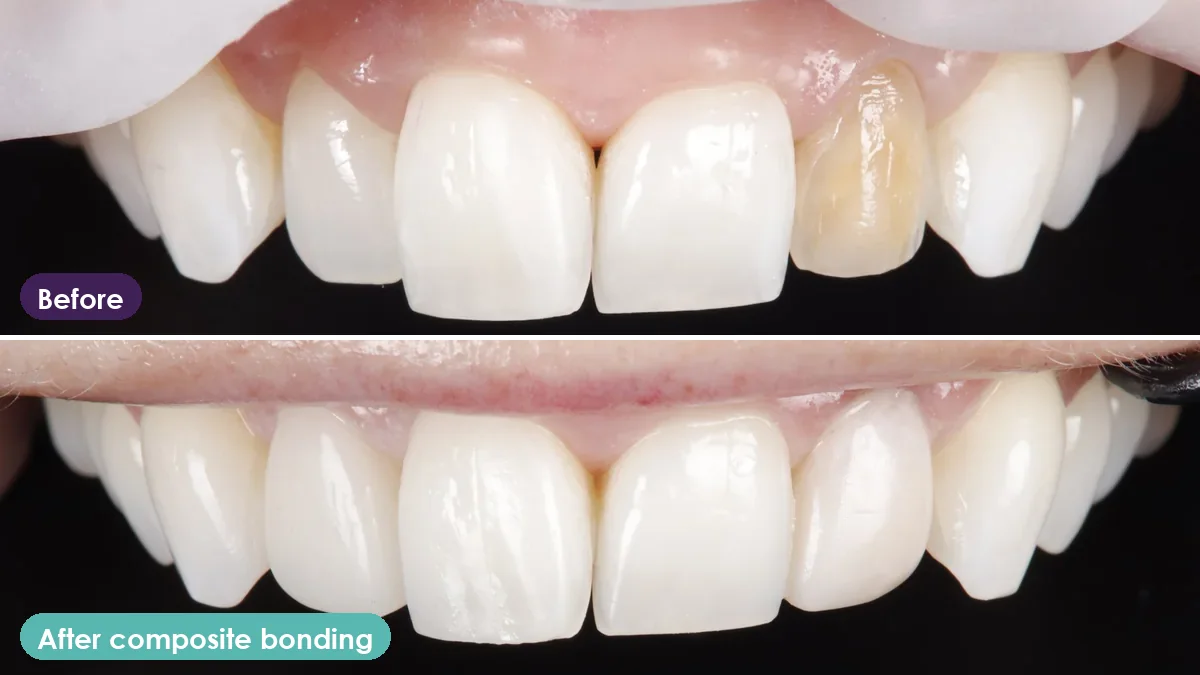
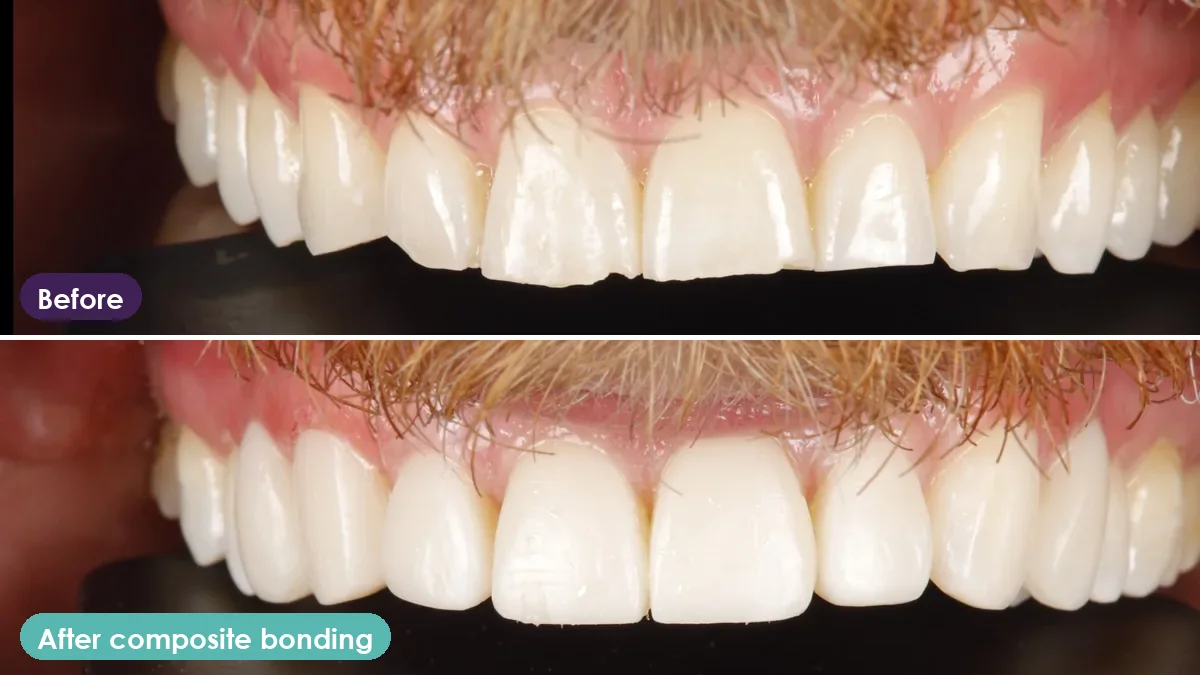
Composite Bonding
For minor chips and small breaks, especially on front teeth. A tooth-coloured resin is applied, shaped and hardened with a special light. It’s quick (often done in a single appointment), looks great, and is the least invasive option. This is one of our most popular treatments at William Place.
Dental Crown
When a significant portion of the tooth is broken or the tooth is weakened, a crown (a custom-made cap that fits over the entire tooth) restores both function and appearance. It usually takes two appointments — one to prepare the tooth and fit a temporary crown, and one to fit the permanent one.
Root Canal Treatment
If the break has exposed or damaged the nerve, root canal treatment removes the infected or damaged pulp, cleans the root canals, and seals the tooth. It has an unfair reputation — modern root canal treatment is no more uncomfortable than a filling, and it saves the tooth.
Extraction
Sometimes, when a tooth is broken below the gum line or the root is fractured, it can’t be saved. In these cases, extraction is the kindest option. If a tooth does need to come out, we’ll discuss replacement options — including implants, bridges and dentures — so you’re never left with an unwanted gap.
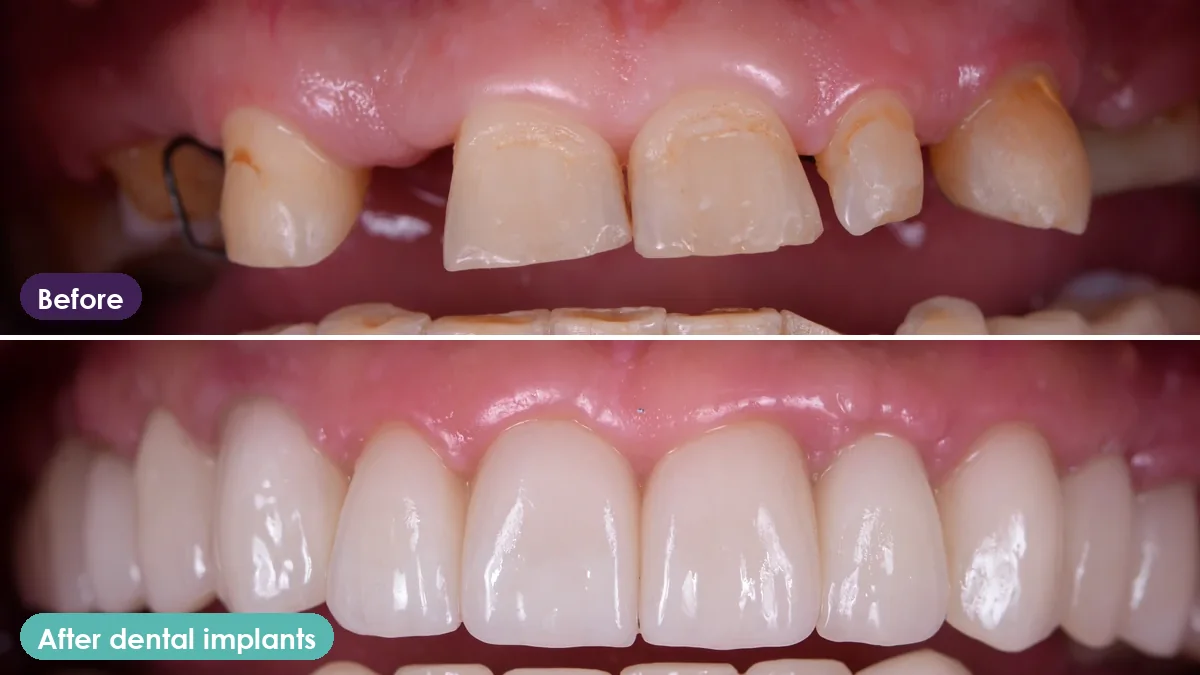
Dental Implant
If a tooth is lost or extracted, an implant is the gold-standard long-term replacement. A titanium post is placed in the jawbone, and after healing, a custom crown is fitted on top. It looks, feels and functions just like a natural tooth.
Managing at Home While You Wait
If you can’t be seen immediately, here’s how to keep yourself comfortable:
-
Pain relief: Paracetamol and/or ibuprofen (follow the packet instructions and don’t exceed the recommended dose)
-
Sharp edges: Cover with dental wax (available from pharmacies) or sugar-free gum to protect your tongue and cheeks
-
Temporary filling: Pharmacies stock temporary filling kits (brands like DenTek or Dentanurse) — useful for covering a broken back tooth, but this is a short-term measure only, not a fix
-
Clove oil: A small amount applied with cotton wool can help numb localised pain
-
Eat carefully: Stick to soft foods and avoid biting on the affected side
-
Keep it clean: Gently brush around the area and rinse with warm salt water to reduce the risk of infection
Common Causes of Broken Teeth (and How to Prevent Them)
Knowing what breaks teeth can help you avoid it happening again:
-
Biting hard foods — ice, boiled sweets, popcorn kernels, and crusty bread are common culprits
-
Teeth grinding (bruxism) — many people grind at night without realising; over time this weakens enamel significantly. A custom nightguard from us can prevent serious damage
-
Old, large fillings — heavily filled teeth are structurally weaker and more prone to cracking
-
Sports injuries — a custom-made mouthguard is essential for contact sports and far more protective than the shop-bought alternatives
-
Using teeth as tools — opening bottles or packaging with your teeth is a fast track to a broken tooth
What to Do If You Can’t Get an Emergency Appointment
We always do our best to see emergency patients as quickly as possible. If you call us outside of opening hours, our answerphone will direct you to out-of-hours support.
If you’re not registered with a dentist or can’t reach one, call NHS 111 — they can direct you to an urgent dental care service in your area. Do not go to A&E for dental problems unless there is significant facial swelling, difficulty breathing or swallowing, or uncontrolled bleeding — A&E cannot provide dental treatment, and attendance for dental problems has risen almost 45% since 2019, putting significant pressure on emergency services.
A broken tooth is stressful, but it’s rarely the disaster it feels like in the moment. With prompt treatment, the vast majority of broken teeth can be saved, repaired, and restored to full function and appearance.
If you’ve broken a tooth — or you’re not sure whether what you’re experiencing counts as an emergency — just call us. We’d rather reassure you over the phone than have you worried at home.
Call 020 8821 2830, or book online.
William Place Dental Aesthetics, Bow, E3 — NHS and private dental care in East London.
Tags:
-
Bow dental
-
Bow East London dentist
-
William Place Dental Aesthetics
-
Roman Road dentist
-
dental emergency
-
broke tooth