Treatments
Dental Implants
A permanent alternative to dentures — secure, comfortable, and looking and feeling like real teeth.
Sedation available on request
A permanent alternative to dentures
Dental implants offer a permanent alternative to some of the difficulties of dentures. Dentures, especially on the lower jaw, are prone to slipping and sliding, which can make chewing and speaking a difficult and potentially embarrassing chore.
Because implants use titanium anchors fused with the jawbone — replicating the natural root structure of a tooth — they are more secure and often more comfortable than removable dentures, while looking and feeling like real teeth.
Why it matters
3 risks of not replacing missing teeth
When it comes to tooth loss, most people worry first about how it affects the look of their smile. But losing a tooth is more than a cosmetic problem — it has wide-ranging effects on your oral health, and leaving it too long only makes those problems harder to put right.
-
Unwanted tooth movement
Your teeth constantly press against the ones either side of them, and rely on that support to stay where they are. Lose one, and the neighbours begin to drift inward into the space.
Left long enough, they drift far enough to cause crowding. Teeth leaning into a gap make contact where they shouldn’t, which creates uncomfortable pressure and tight spaces between tooth and gum — harder to brush, and easier for bacteria to grow.
-
Greater chance of infection
Gum disease is one of the most common causes of tooth loss, because it destroys the tissue holding teeth in place. Losing a tooth can then raise the risk further.
An empty socket collects food and bacteria that ordinary brushing struggles to reach, and the roots of the neighbouring teeth are left more exposed to attack. The socket can also give bacteria a route into the bloodstream through exposed blood vessels, which carries risks beyond the mouth.
-
Changes to facial structure
Gums and jawbone anchor the roots of your teeth — but the roots matter to them too. Their presence stimulates the tissue, prompting the body to keep repairing it.
Without that stimulation the body gradually reabsorbs bone. As well as speeding up further tooth loss, it changes the shape of the face: the upper jaw curves inward, and the lower jaw recedes, softening the jawline.
Dentures that rest on the gums offset some tissue loss, but do little to stimulate the bone. Implants fuse directly with the jawbone, so they protect against that deterioration over the long term.
Replacing a missing tooth sooner rather than later is the best way to limit the effect on your oral health. If you’re weighing up the options, get in touch and we’ll help you find the one that suits you.
What implants can do
The benefits of dental implants
- They function in exactly the same way as natural teeth.
- They look like natural teeth.
- They provide anchorage for dentures, crowns and bridges, making those restorations more stable and improving how they perform.
- They prevent bone loss, which helps preserve your facial characteristics.
- They are a long-term solution — cared for properly, they can last for many years.
- Healthy teeth are not damaged or affected by placing an implant.
- Dentures and prostheses anchored by implants do not affect speech.
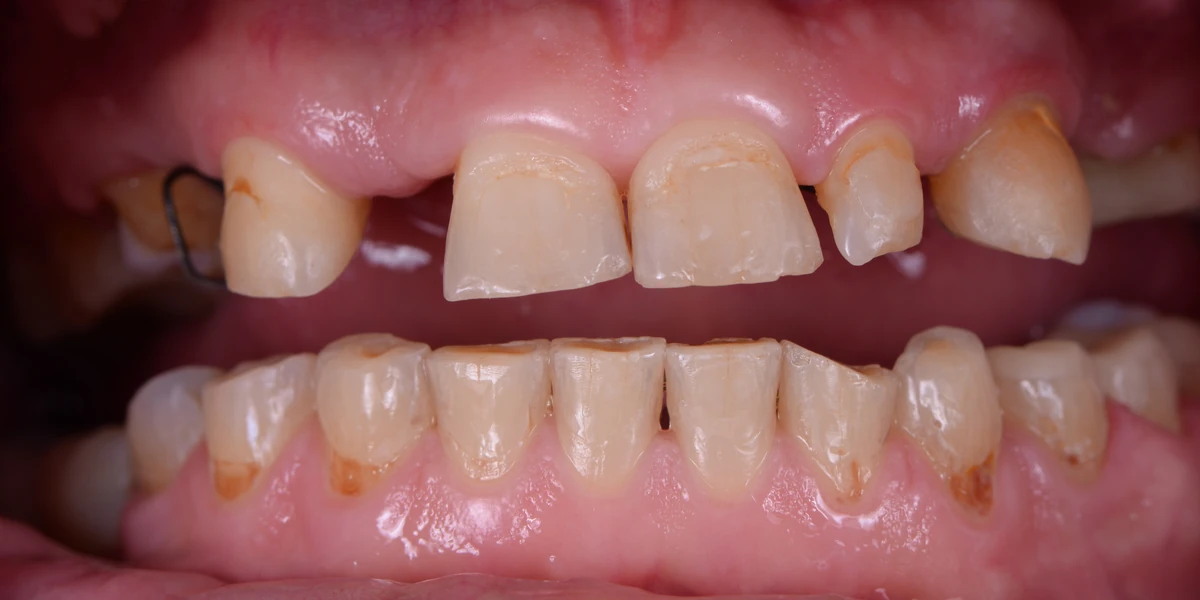
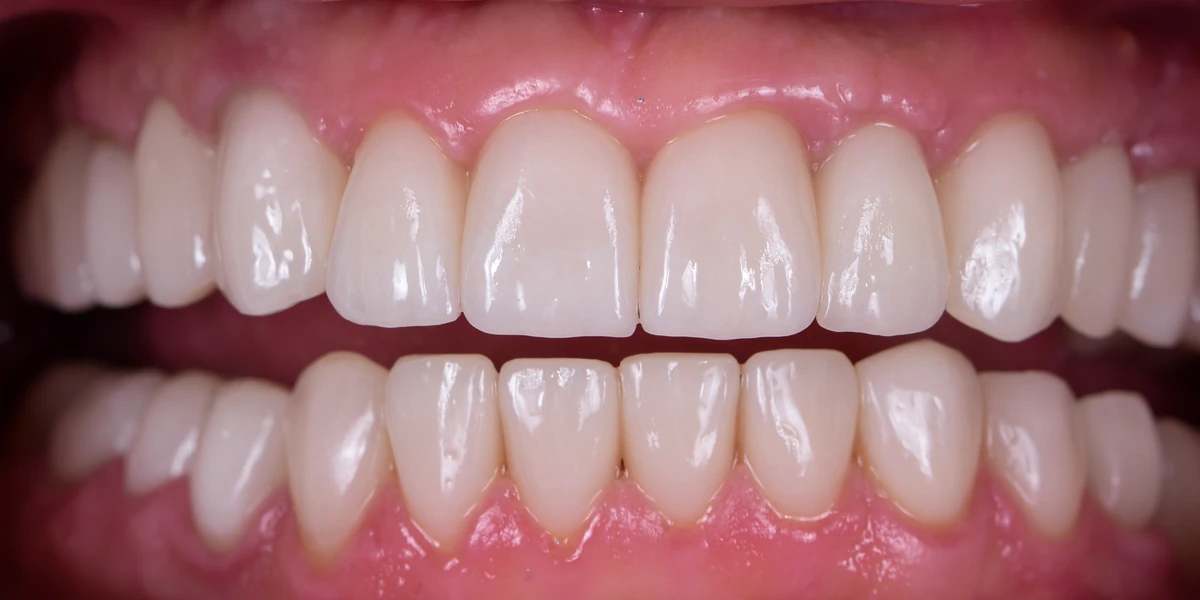
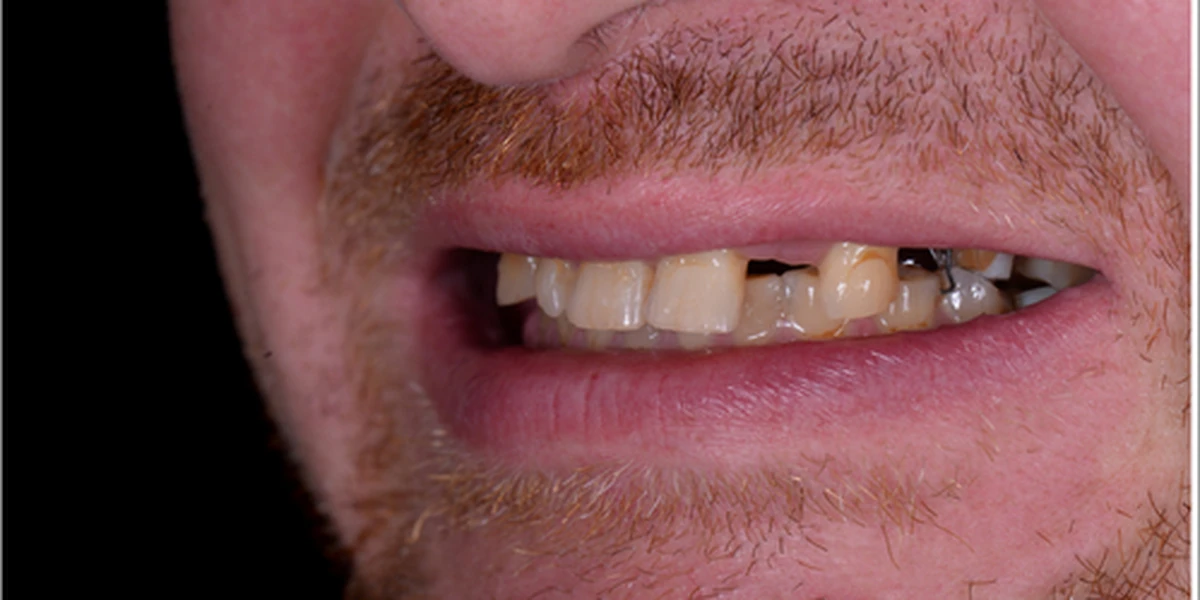
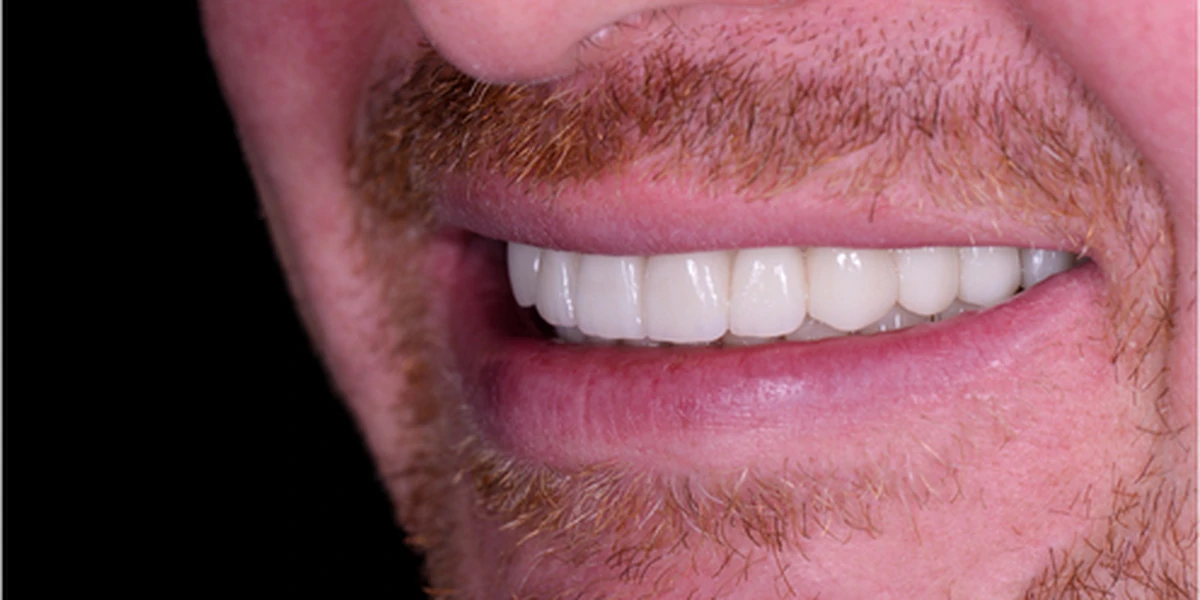
Implant cases — drag to compare
Are implants right for you?
Most adults in good general and dental health can have implants. A few things make a difference:
- Age. Implants are placed once the jaw has finished growing, so younger patients may need to wait.
- Smoking and heavy drinking raise the risk of problems, and we may suggest cutting down before treatment.
- Gum health. Gum disease needs treating first. If your gums bleed, or teeth feel loose, we’ll find and treat the cause before planning implants.
- Bone. If the jawbone is thin or narrow, it may need building up first with a bone graft.
Your implant consultation is with Lena Vakil, our oral surgery specialist. It includes a thorough examination, and planning usually includes a 3D X-ray, so the implant can be matched to your bone.
Your treatment, step by step
1. Assessment and plan. We examine your mouth, talk through every option, and give you a written plan with the timescale and full costs.
2. Placing the implant. Usually done under local anaesthetic, with sedation available if you’re anxious. A single implant is normally placed in one appointment; several take longer.
3. Healing. The implant fuses with the bone over six weeks to six months, and a temporary tooth may be fitted so you’re not left with a gap. In some cases the new tooth can be fitted on the same day.
4. Your new tooth. A dental technician makes your crown, bridge or denture for your mouth, and it’s fitted to the implant.
5. Maintenance. Regular check-ups and hygienist visits keep the implant and the gum around it healthy.
Looking after your implants
Implants can’t decay, but the gum and bone around them can still become infected, so they need the same care as natural teeth, and a little more.
- Clean around them twice a day, paying particular attention to the gum line.
- Use interdental brushes or floss suitable for implants. We’ll show you which.
- Keep up your check-ups and hygienist visits.
The main risk is peri-implantitis, an infection of the gum and bone around an implant, usually caused by plaque. Caught early, it can be treated. Left alone, it can cause the implant to fail. Good cleaning and regular visits are the best protection.
Why choose William Place
We have a great deal of experience in fitting dental implants, and our oral surgery specialist, Lena Vakil is on the GDC Specialist Register in Oral Surgery. For more complex cases, including full-arch reconstructions, we’re joined by visiting implant dentist Hrisith Choksi, who holds a Diploma in Implant Dentistry from the Royal College of Surgeons.
- Our team is highly trained in implant work and committed to the same standard of care throughout, from planning to the final restoration.
- Implants are planned with digital scanning rather than traditional impressions, so the fit is precise from the start.
- We invest in new technology and keep up to date with new techniques, so treatment here reflects current practice rather than how it was done a decade ago.
- If the thought of implant surgery makes you anxious, sedation is available on request — just ask at your consultation.
- The practice is a calm space away from the bustle of daily life. Have a drink, put music on or use the wifi while you wait — we would rather you arrived relaxed.
What it costs
An implant consultation with Lena Vakil is £132, redeemable against the cost of treatment. An implant with a crown starts at £3,080. Full-mouth options such as All-on-4 and All-on-6 are quoted after consultation.
You don’t have to pay it all at once. Finance through Tabeo is available on treatments over £1,000, with terms from 12 to 60 months — so a £3,080 implant spread over 60 months costs £68.12 per month. On shorter terms, 0% finance is available: spread the cost with no interest at all. Ask us for a personalised illustration at your consultation.
Representative example: borrowing £3,080 over 60 months at 12.9% APR representative (fixed) means 60 monthly payments of £68.12, a total cost of credit of £1,007.21 and a total amount payable of £4,087.21. Finance is subject to status; we act as a credit broker, not a lender. See the full fee guide.
More detail in our guide to what dental implants cost in London.
Your implant questions answered
Honest answers to the questions patients ask us most.
Dental implants — your questions answered
Will it hurt?
Most people are surprised how little. The implant is placed under local anaesthetic, and afterwards ordinary painkillers are usually enough. Some swelling for a few days is normal.
How long do implants last?
Many years, with good cleaning at home and regular check-ups. Like any medical implant, they may eventually need attention, which is why ongoing maintenance matters.
How soon will I have my new tooth?
Sometimes on the same day. Otherwise the area needs anything from a few days to six months to heal first. Your treatment plan tells you which applies to you.
What can go wrong?
As with any surgery there are risks. The most common is infection around the implant (peri-implantitis); occasionally an implant doesn’t fuse with the bone. We plan treatment to keep the risks low and explain them fully at your consultation.
What is bone grafting?
Building up a jawbone that’s too thin or narrow to support an implant. Your dentist will tell you if you need it and what it involves.
Can a whole arch of teeth be replaced at once?
Yes. With All-on-4 or All-on-6, four to six implants support a full arch of fixed teeth, fitted as a temporary bridge on the day and replaced with the final bridge once the implants have settled. It suits people with no or very few natural teeth, though not everyone, and it’s quoted after consultation.
What are the alternatives to implants?
A bridge (fixed to the teeth either side of the gap, or a Maryland bridge bonded to them), a partial or full denture, or leaving the gap. Leaving it has risks of its own, covered in “3 risks of not replacing missing teeth” above.
Can I get implants on the NHS?
Only in limited cases, such as when someone can’t wear a denture because of an injury or surgery for a tumour. Otherwise implants are private treatment.
Why do implant prices vary so much?
The number of implants, the components used, the length of treatment, the clinician’s experience and the aftercare included all affect the price. Ours are published: an implant with a crown starts at £3,080, and your written plan lists every cost.
Should I have implants abroad?
It can look cheaper, but standards for materials and regulation vary between countries, and implants need regular maintenance that’s hard to arrange from a distance. If problems come up, they usually have to be fixed at home.
Can I get a second opinion?
Of course. You’re always entitled to one, and a good dentist will welcome it.
Your options
Ways to replace missing teeth
Which route suits you depends on how many teeth are missing and on the bone supporting them, so the answer comes from a consultation rather than a website.
-
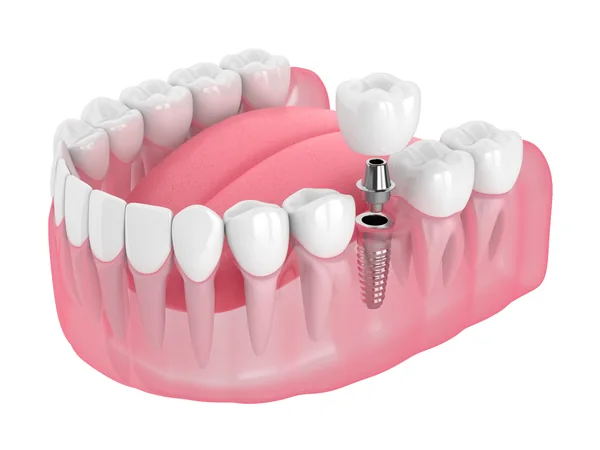 Replace one tooth
A single implant and crown, leaving the healthy teeth either side untouched.
-
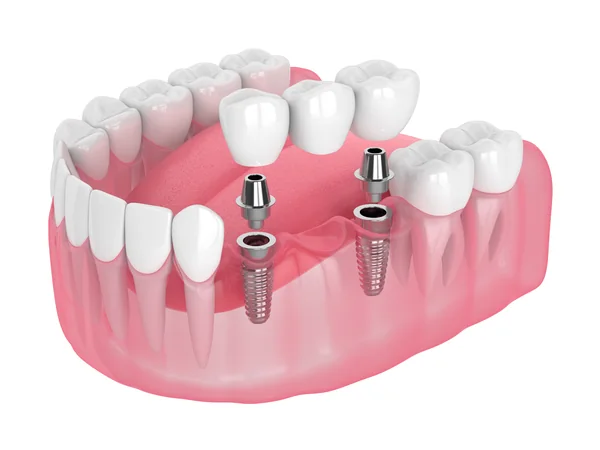 Replace multiple teeth
Several implants carry a bridge, so a gap is filled without a partial denture.
-
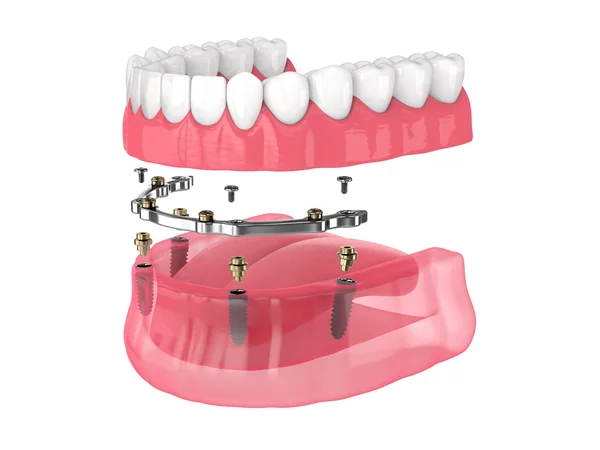 Replace all teeth
with a removable appliance A full denture clips onto implants, so it stays put but still lifts out for cleaning.
-
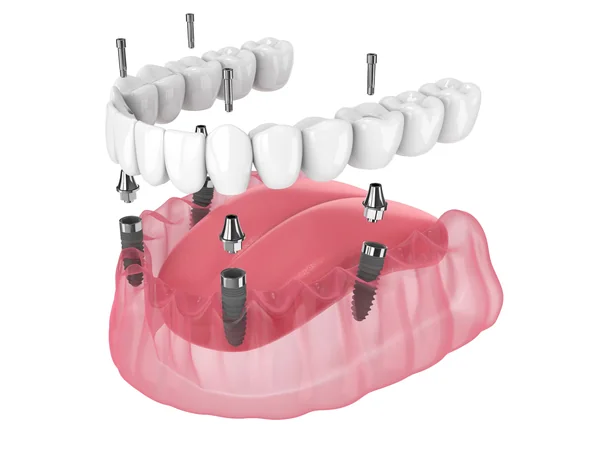 Replace all teeth
with a fixed appliance A full arch is screwed onto the implants and stays in permanently, like natural teeth.
New to William Place Dental Aesthetics?
We've created a simple guide explaining exactly what to book and how to book, so you feel confident from the start.
For anything else you'd like to know, our FAQ page has you covered.