
Treatments
Composite bonding in Bow, East London
Chips, gaps and worn edges repaired in a single visit — usually without removing any healthy tooth, and often without an injection.

A quick, affordable way to improve your smile
Composite bonding offers a natural-looking way to repair damaged or discoloured teeth. It can close gaps, lengthen teeth, and protect part of a root that has been exposed by gum recession.
It’s quick and cost-effective because nothing has to be manufactured in a laboratory — the resin is shaped in your mouth and set hard on the spot, so it’s usually finished in a single visit.
Your bonding is carried out by dentists with a particular interest in it, including Dr Preya Ragu, whose work you can see on Instagram at @dr.preya. Their GDC registration numbers are on the team page.
What composite bonding can do
What it can fix
Composite bonding is tooth-coloured resin, shaped onto the tooth by hand and set hard with a curing light. Because it’s built up directly in the mouth, it can be shaped to solve several problems at once:
- Chipped or broken edges rebuilt to their original shape
- Gaps between teeth closed without braces
- Short or uneven teeth lengthened and levelled
- Discoloured teeth masked where whitening alone won’t reach
- Exposed root surfaces covered where the gum has receded
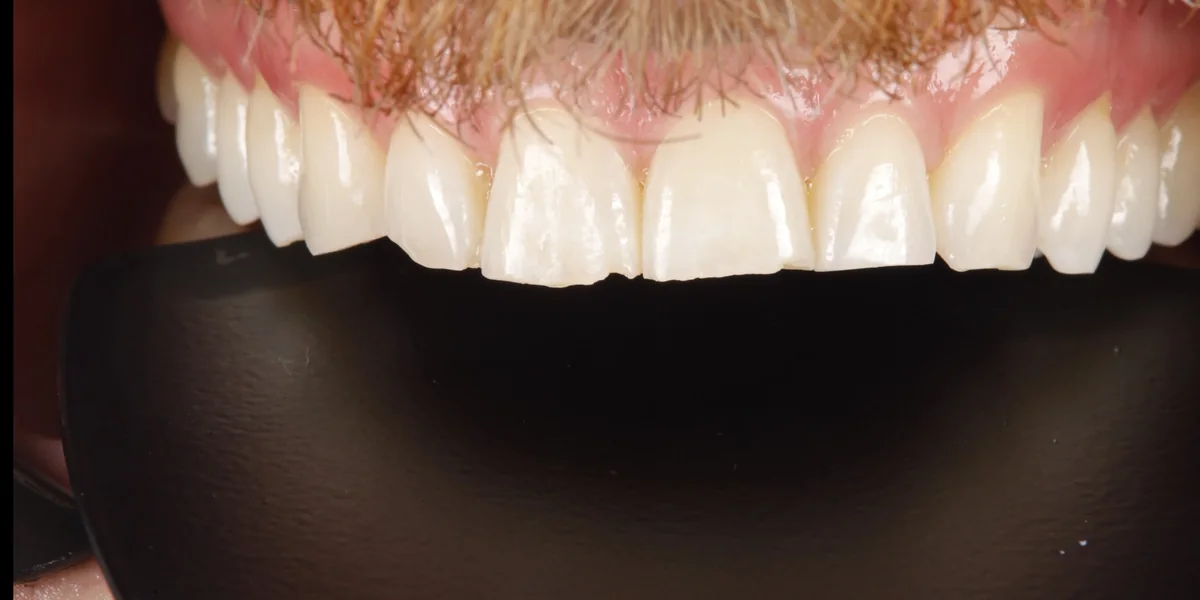
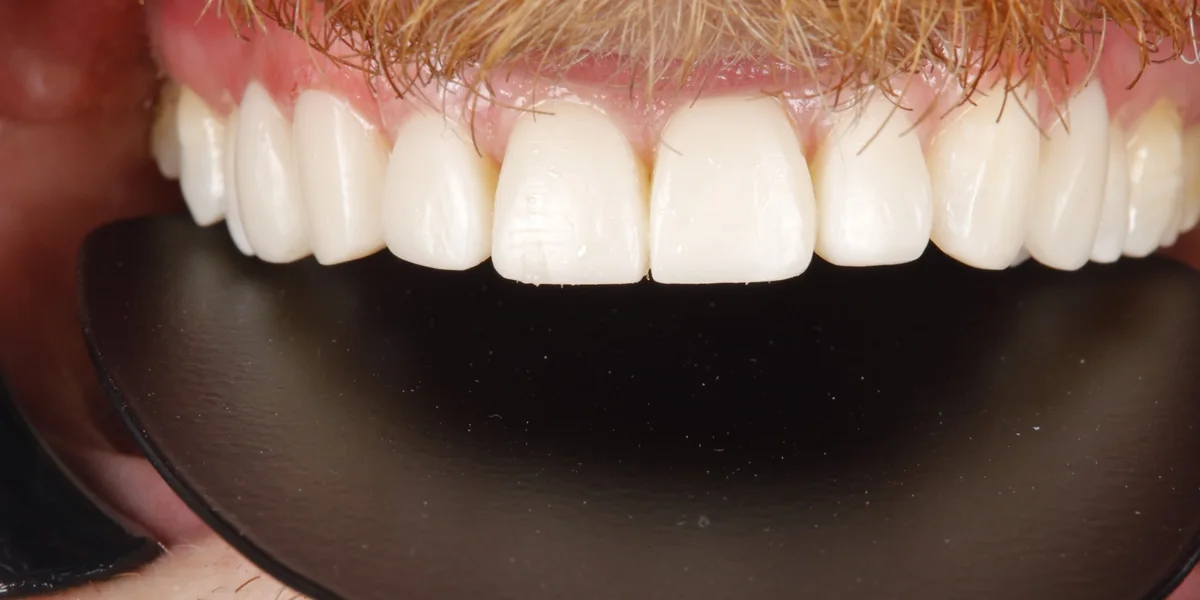
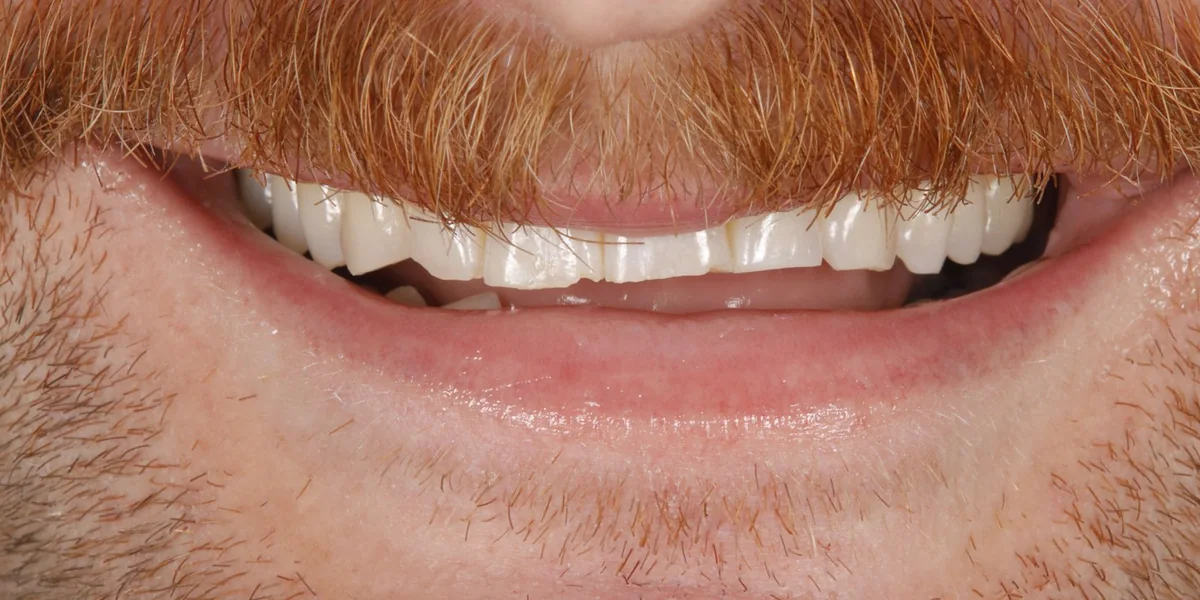
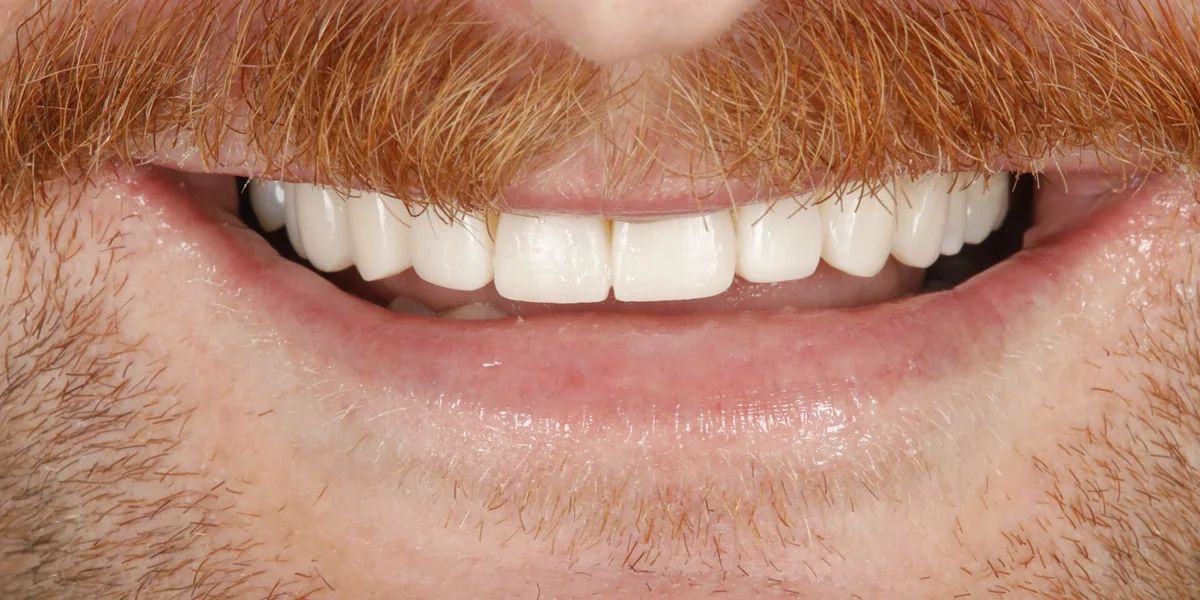
Composite bonding results at our practice — drag to compare
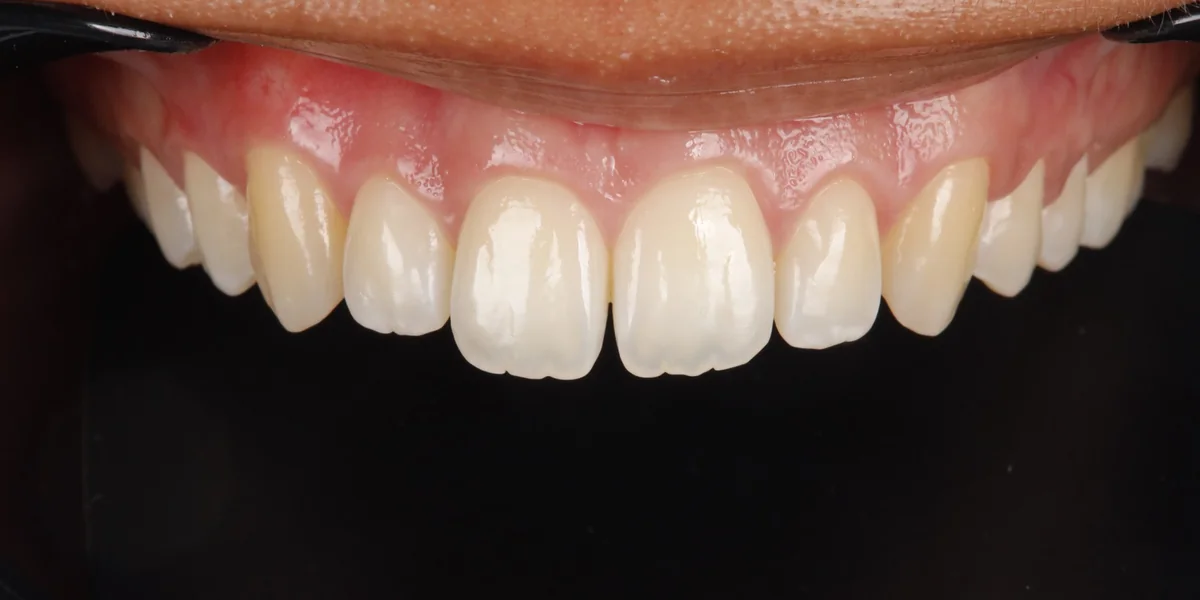
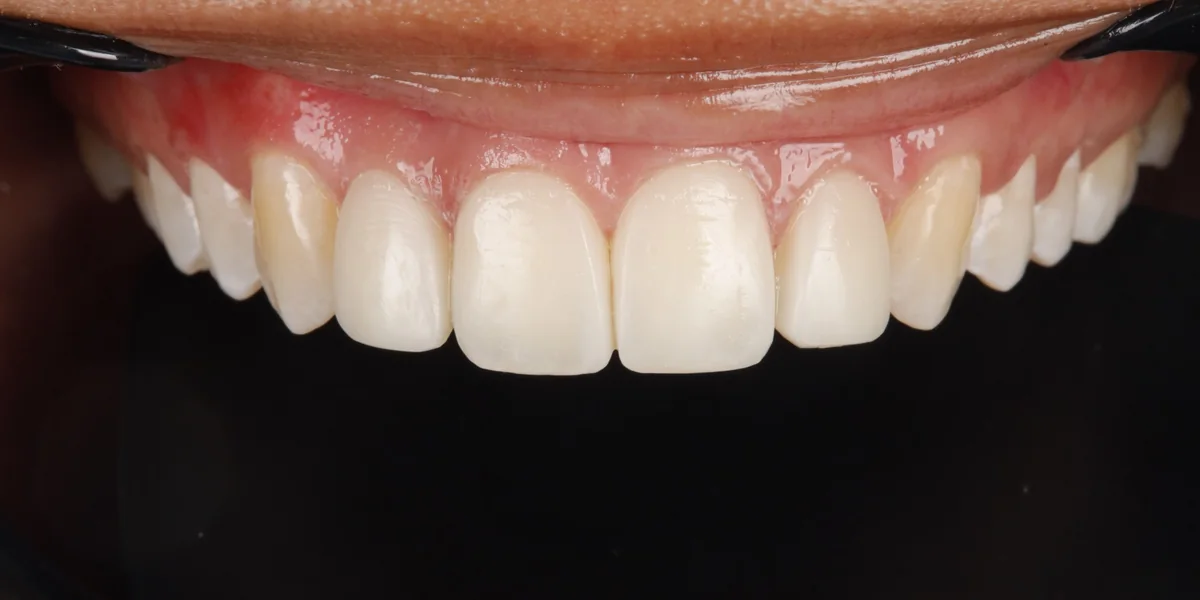
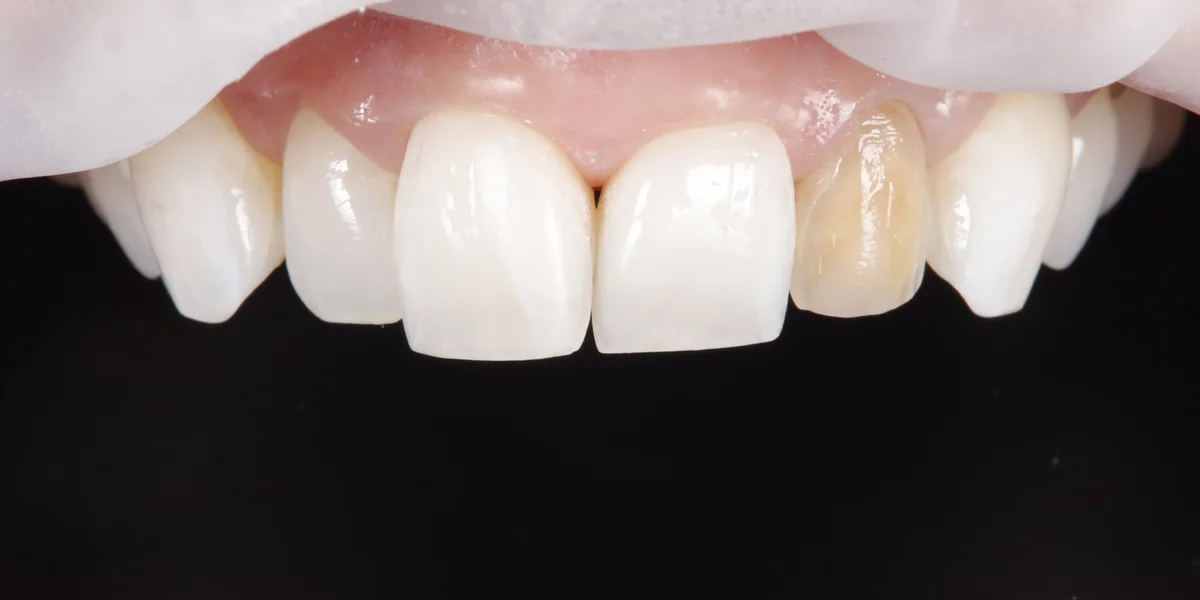
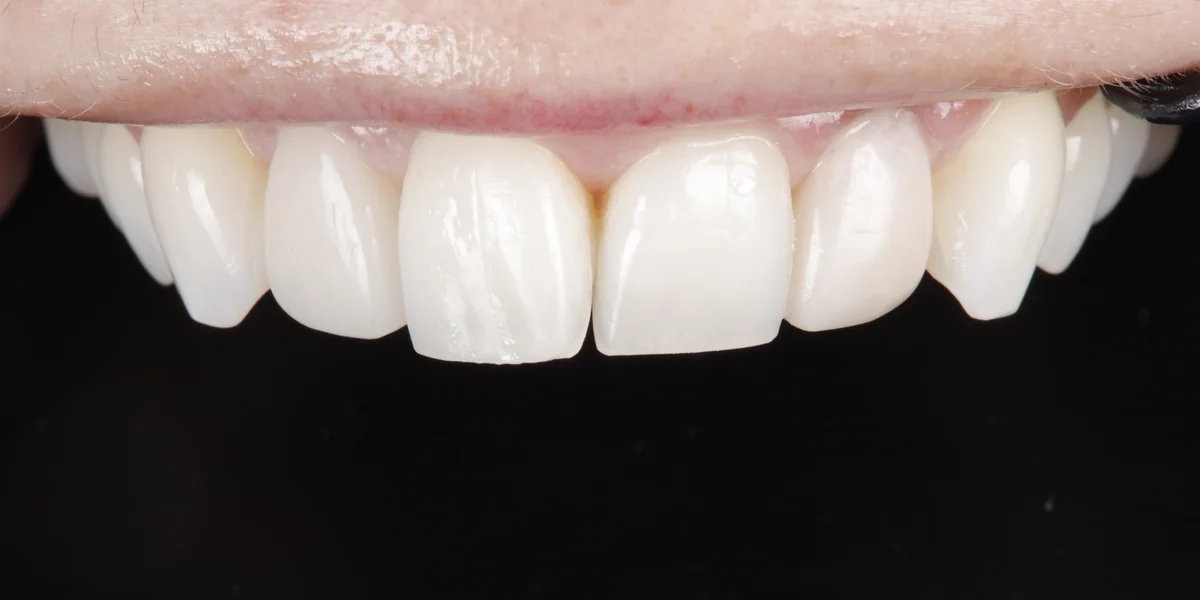
Hear from James, in his own words
“I wish I’d just done it five, 10 years ago.”
James came to us with worn, chipped and stained front teeth. After a hygiene visit, a filling and teeth whitening, we rebuilt his top front eight teeth with composite bonding. His before-and-after photos are cases 3 and 4 above.
“It’s always been my biggest insecurity… before I’d sort of hide them, not really want to be in a photo smiling, whereas now it’s the complete opposite.”
What happens on the day
Most cases are done in one appointment.
We choose a composite shade to match your teeth, then lightly roughen the surface and apply a conditioning liquid so the resin grips properly. The composite is then layered on, shaped to the contour we’ve agreed, and hardened with a curing light. Finally it’s trimmed, smoothed and polished until it reflects light like natural enamel.
There’s usually no need to remove any healthy tooth, and anaesthetic is often unnecessary unless we’re also filling a cavity.
A single tooth takes around 30 minutes to an hour. More than one will take longer, and we’ll tell you what to expect before you book.
How long it lasts, and how to look after it
Bonding typically lasts several years before it needs refreshing or replacing. How long depends less on the material than on how it’s treated.
Composite can stain over time, so it responds to the same things that stain natural teeth — coffee, red wine, tobacco. It can also chip if used to bite nails, open packaging or crunch ice. Keeping up with hygienist appointments protects both the bonding and the tooth beneath.
If you grind your teeth, a nightguard is worth discussing — grinding is the most common reason bonding fails early.
Your bonding dentists
Bonding is hand-sculpted, so the result depends on the dentist’s eye and skill. Three of our dentists have a particular interest in it:
- Dr Preyaanthana (Preya) Ragu focuses on composite bonding, veneers and smile makeovers. She is completing a postgraduate diploma in occlusion and porcelain veneers, with one-to-one mentorship in cosmetic dentistry. You can see her work on Instagram at @dr.preya.
- Dr George Leggett has particular expertise in composite bonding and clear aligners, with a minimally invasive approach.
- Dr Rima Hussain has completed several cosmetic courses with a focus on composite bonding, and is especially reassuring for nervous patients.
Every clinician here is GDC-registered, and their numbers are on the team page.
Edge bonding or composite veneers?
Both are composite bonding. The difference is how much of the tooth is covered.
- Edge bonding adds composite to the biting edges of the front teeth only. It’s ideal for small chips, slightly uneven or worn edges, and short teeth.
- Composite veneers (full-face bonding) cover the whole front surface of a tooth. They can change colour and shape more completely, mask stains whitening won’t shift, and close gaps.
Your dentist will tell you which gives the result you want with the least treatment, and give you a written price first.
Is composite bonding right for you?
Bonding is a great fit if you’d like to fix chips, small gaps, uneven edges or a few discoloured teeth, and your teeth and gums are healthy. A few things are worth knowing:
- Healthy mouth first. Decay and gum disease need treating before bonding.
- Crooked or crowded teeth? Bonding can disguise mild unevenness, but if teeth are noticeably out of line, straightening them first usually gives a better, longer-lasting result with less composite.
- Whiten first. Composite doesn’t lighten with whitening gel, so if you’d like brighter teeth, whiten before bonding and we’ll match the shade to your new colour.
- Grinding. Heavy grinding is the most common reason bonding chips early. We may suggest a nightguard to protect it.
Many patients combine all three: align, whiten, then bond.
Bonding, veneers or whitening?
| Composite bonding | Porcelain veneers | Teeth whitening | |
|---|---|---|---|
| Best for | Chips, small gaps, uneven edges | Bigger changes in shape and colour | Overall colour only |
| Visits | Usually one | Two or more | Check-up, then home trays |
| Tooth removed | Little or none | A thin layer of enamel | None |
| Typically lasts | 3 to 7 years | Longer | Topped up at home |
| Price | From £366 | E.max veneer £891 | From £341 |
More detail in our guides to composite bonding vs veneers and composite bonding vs teeth whitening, or see veneers.
What it costs
Composite bonding in East London starts at £366. The final figure depends on how many teeth are treated and how much rebuilding each one needs, and you’ll always have a written quote before anything starts. Finance through Tabeo is available on treatment over £1,000, which can help if you’re having several teeth bonded. Our guide to what composite bonding costs in London explains what changes the price. See the full fee guide, or book online.
Composite bonding near you in East London
We’re at 12 William Place, Bow, E3 5ED, a few minutes from Roman Road, and patients come to us for bonding from Mile End, Bethnal Green, Victoria Park, Old Ford, Bromley-by-Bow, Hackney Wick and Stratford. We’re open until 7pm on Mondays and Tuesdays and on Saturday mornings, so a bonding appointment can fit around work.
Composite bonding — your questions answered
Does composite bonding hurt?
Usually not. Because healthy tooth is rarely removed, most people need no anaesthetic at all. If we’re also filling a cavity, we’ll numb the tooth first.
How is it different from veneers?
Bonding is built directly onto the tooth in one visit and is reversible in most cases. Veneers are made in a laboratory, need a thin layer of enamel removed, and take two visits — but they resist staining better and last longer. Bonding costs less to start.
Will it match my other teeth?
Yes. We shade-match the composite to your natural teeth before starting. If you’re planning to whiten, do that first — bonding doesn’t lighten with whitening gel, so we match it to your final shade.
Can bonding be removed?
In most cases yes, because little or no natural tooth is taken away. That’s one of the main reasons people choose it over veneers.
How many teeth are usually done?
Anything from a single chipped edge to the six or eight teeth that show when you smile. We’ll talk through what would actually make a difference rather than treating teeth that don’t need it.
How much does composite bonding cost in London?
At our practice in Bow, composite bonding starts at £366. Your price depends on how many teeth are treated and how much each needs, and you’ll get a written quote before anything starts.
How long does composite bonding last?
Typically 3 to 7 years, sometimes longer. Good brushing, regular hygienist visits, avoiding biting hard objects and wearing a nightguard if you grind all help it last. It can be polished, repaired or refreshed rather than replaced.
What's edge bonding?
Edge bonding adds composite to just the biting edges of the front teeth, to repair chips or even out worn and uneven edges. It’s one of the quickest, most conservative ways to refresh a smile.
Can I have composite bonding after Invisalign or clear aligners?
Yes, and it’s a popular finishing touch. Once your teeth are straight, bonding can refine their shape and edges. Your retainers will need to fit over the bonded teeth, so we plan the two together.
Is composite bonding available on the NHS?
Cosmetic bonding is private treatment. If a broken tooth needs repairing for clinical reasons, your dentist will explain the options available.
Who does composite bonding at William Place?
Dr Preya Ragu, Dr George Leggett and Dr Rima Hussain all have a particular interest in composite bonding. See “Your bonding dentists” above, or book online.
New to William Place Dental Aesthetics?
We've created a simple guide explaining exactly what to book and how to book, so you feel confident from the start.
For anything else you'd like to know, our FAQ page has you covered.