Root Canals, Crowns, Implants & Nightguards in Bow, East London — Your Complete Guide to Long-Term Dental Health

One of our patients recently described her dental treatment plan in the most brilliant way. She called it “old age proofing” herself — working through root canal treatment, dental crowns and dental implants so that her teeth would be strong, stable and sorted for the decades ahead.
We loved that phrase. Because it’s exactly the right way to think about long-term dental care.
For a long time, dentistry was largely reactive — you waited until something hurt, then you fixed it. But more and more patients in Bow and across East London are taking a different approach: understanding what their mouth needs long-term and making a comprehensive dental treatment plan. Not just for how their teeth look now, but for how they’ll hold up in 10, 20, 30 years’ time.
This guide is for anyone who’s been told they need “a bit of work” and isn’t quite sure where to start — or anyone already on their own dental journey who wants to understand what each treatment involves and why it matters.
What Is a Dental Treatment Plan?
A dental treatment plan is a structured roadmap for your oral health. After a thorough dental examination — including digital x-rays and a full assessment of your teeth, gums and bite — your dentist identifies everything that needs attention and prioritises it in the right order.
Some things are urgent: active infection, dental pain, anything at risk of spreading. Some things are important but not immediately urgent: heavily filled teeth at risk of fracturing, old or failing crowns, gaps left by missing teeth. And some things are longer-term aesthetic goals: improving the appearance of your smile once the structural work is complete.
A good dental treatment plan should be honest, clear and collaborative. It should never feel like a list of things being done to you. It should feel like a plan you’ve made together .
Root Canal Treatment in Bow — The Procedure That Gets a Worse Reputation Than It Deserves
Root canal treatment is probably the most misunderstood dental procedure. The words alone trigger anxiety in many patients. But here’s the truth: modern root canal treatment is no more uncomfortable than having a filling.
The reason it has a bad reputation is largely historical — older root canal techniques were genuinely more unpleasant. Today, with effective local anaesthetic and modern endodontic equipment, most patients at our Bow dental practice are surprised by how straightforward the procedure actually is.
Why would you need root canal treatment?
Inside every tooth, beneath the hard enamel and dentine, is a soft inner layer called the pulp — containing the tooth’s nerves and blood vessels. When decay, a crack, or repeated dental work allows bacteria to reach this pulp, infection sets in. Left untreated, that infection spreads into the root, into the surrounding bone, and potentially develops into a painful dental abscess.
Root canal treatment (also called endodontic treatment) removes the infected pulp, cleans and disinfects the root canals, and seals the tooth so it can no longer harbour bacteria. The tooth is then typically restored with a dental crown to protect it — a root-treated tooth is more brittle than a living tooth and needs that additional support.
The long-term case for saving your natural tooth: A successfully root-treated tooth, properly crowned, can last for many years — sometimes a lifetime. The alternative is tooth extraction, which brings its own long-term consequences. Saving a natural tooth is almost always the better option where possible.
Dental Crowns in East London — Armour for Teeth That Have Been Through a Lot
A dental crown is a custom-made cap that fits over the entire visible part of a tooth, fully restoring its shape, strength and appearance.
You may need a dental crown if:
-
A tooth has been root canal treated (making it more vulnerable to fracture)
-
A tooth is heavily filled and structurally at risk
-
A tooth has already cracked or broken
-
An existing crown is old, ill-fitting or beginning to fail
-
A tooth has been worn down significantly by grinding (bruxism)
Dental crowns are made from various materials — porcelain, ceramic, or zirconia — and when fitted well, they’re virtually indistinguishable from natural teeth. Crown treatment at our Bow practice is typically completed over two appointments: the first to prepare the tooth and fit a temporary crown, the second to cement your permanent, custom-made crown.
Why crowns matter for long-term dental health: A heavily filled tooth without a crown is a tooth waiting to fracture — and a fracture can sometimes mean losing the tooth entirely. Fitting a crown at the right time protects the tooth and extends its life considerably. Think of it as a long-term investment in keeping what you have.
Custom Nightguards in Bow — Protecting Everything You’ve Worked For
If teeth grinding (bruxism) is part of your story — and for a surprising number of patients it is, often without them realising — a custom dental nightguard is one of the most important additions to any long-term treatment plan.
Bruxism happens most commonly during sleep. Over time it wears down tooth enamel, causes teeth to crack, overloads existing dental restorations and puts significant strain on the jaw joint (TMJ). Many patients only discover they grind their teeth when a dentist spots the signs — flattened cusps, chipped edges, worn fillings — or when a crown or veneer fails unexpectedly.
A custom nightguard, made from a precise dental mould of your teeth, acts as a protective buffer between your upper and lower teeth. It absorbs the forces of grinding rather than letting your teeth take the impact. If you’ve invested in crowns, dental implants or other restorative dental work, a nightguard is essentially insurance for that investment — helping everything last as long as possible.
Custom vs shop-bought nightguards: Over-the-counter “boil and bite” guards exist, but they don’t fit accurately and can worsen jaw strain for some people. A custom-made nightguard from a dentist is a fundamentally different product — precisely designed for your bite and comfortable enough to wear every night.
Dental Implants in Bow, East London — The Gold Standard for Replacing Missing Teeth
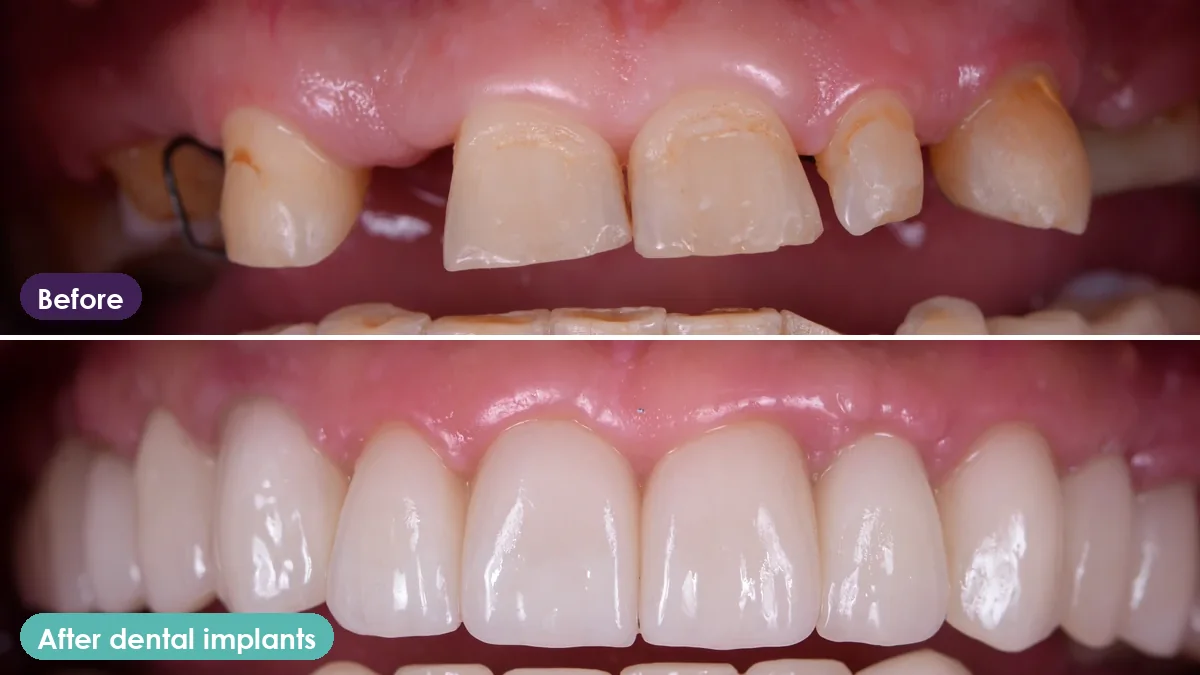
If a tooth can’t be saved — or has already been lost — a dental implant is the closest thing to a natural tooth that modern dentistry can offer.
A dental implant is a small titanium post that is surgically placed into the jawbone, where it gradually fuses with the bone in a process called osseointegration. Once fully integrated, a custom-made porcelain crown is attached on top. The result looks, feels and functions exactly like a natural tooth. You brush it, floss it and bite with it just as you would your own tooth.
How long does a dental implant take? The full implant process — from placement to fitting the final crown — typically takes between six months and a year, including healing time. It’s a commitment, but the outcome is worth it. With proper care, dental implants can last for decades.
Why replacing missing teeth matters more than most people realise: When a tooth is lost, the jawbone beneath it no longer receives the stimulation it needs and begins to resorb (shrink) over time. This affects not just the gap itself, but the neighbouring teeth, which can drift and tilt. It can change the shape of your face over time. And it makes future implant placement more complicated and costly. Addressing missing teeth sooner rather than later is nearly always the better decision.
How a Long-Term Dental Treatment Plan Comes Together
The reason patients describe this as a “dental journey” is because comprehensive restorative dental work rarely happens in a single appointment. It follows a logical sequence — and the order genuinely matters.
A typical dental treatment plan at our East London practice follows these stages:
Step 1 — Stabilise: Address any active dental disease first. This means treating infections with root canal treatment, managing gum disease, and extracting teeth that cannot be saved.
Step 2 — Restore: Once the mouth is stable and healthy, restore the damaged teeth. Dental crowns go on the teeth that need them; gaps are assessed for dental implants, bridges or other suitable options.
Step 3 — Protect: A custom nightguard is fitted where bruxism is identified, protecting restored teeth from grinding damage.
Step 4 — Maintain: Regular dental check-ups and hygienist appointments protect everything that’s been done and catch any new issues early.
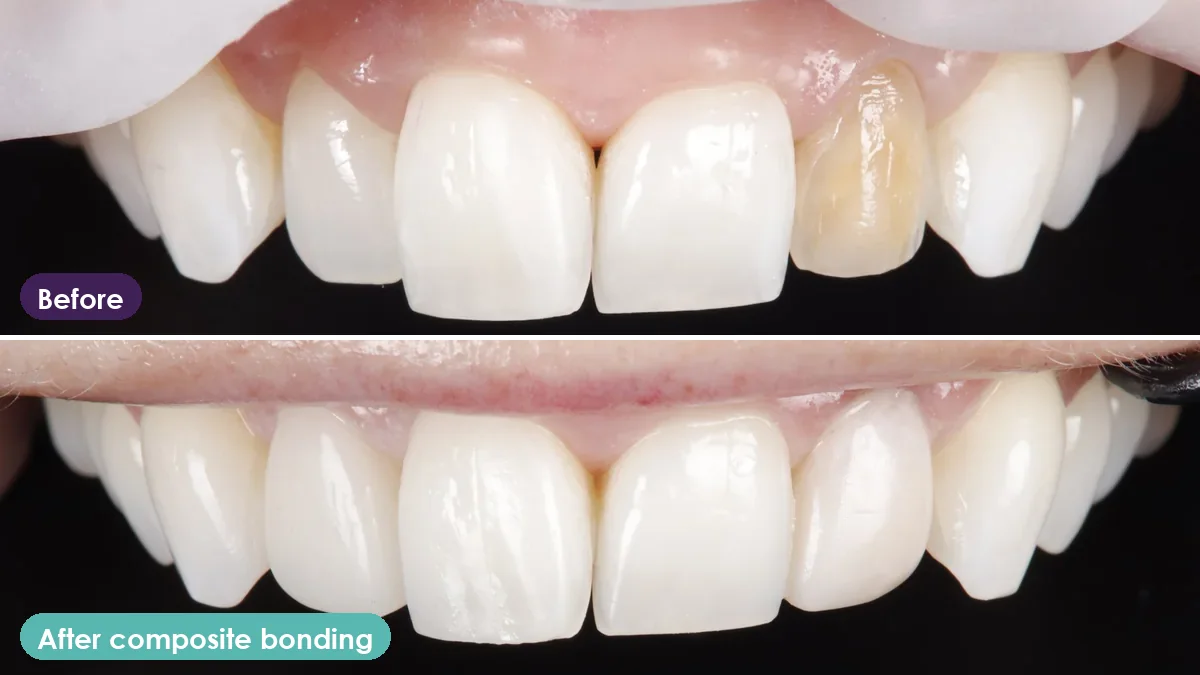
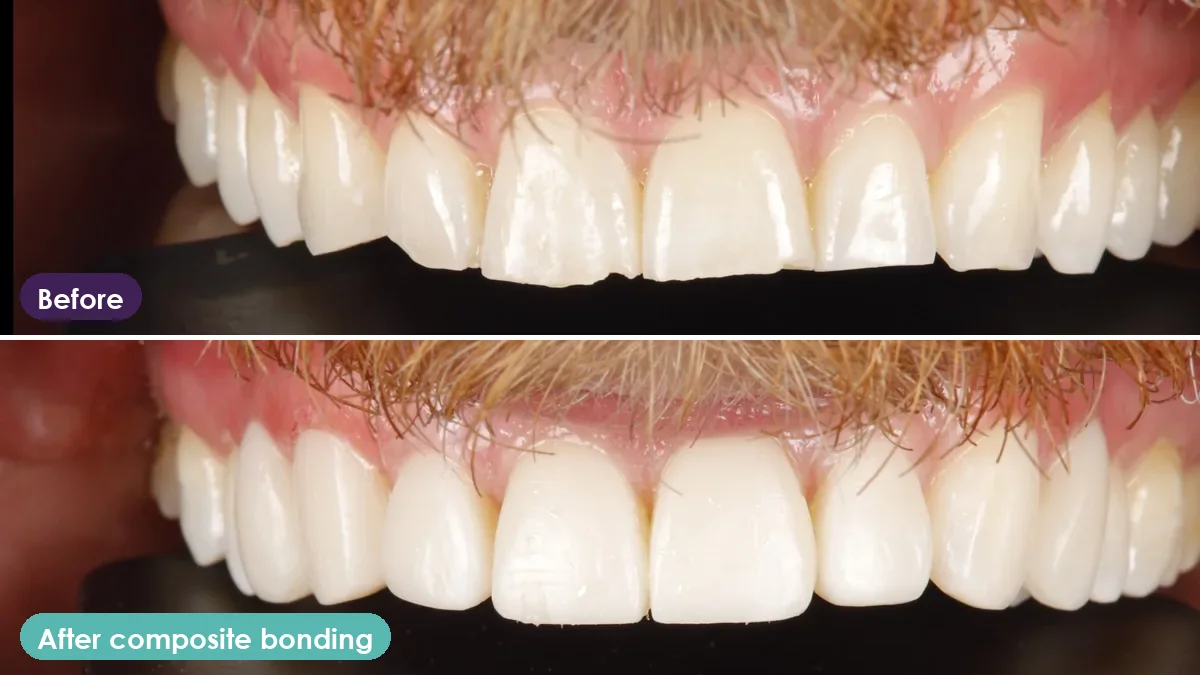
Step 5 — Refine (optional): Once function is fully restored, many patients choose to address aesthetics — teeth whitening, composite bonding, or teeth straightening — to complete the picture.
It can feel daunting when there’s a lot to address. But broken into stages, it’s very manageable. And there is something genuinely satisfying about working through a plan and watching your smile transform, step by step.
Frequently Asked Questions
Is root canal treatment painful? With modern local anaesthetic, root canal treatment should be no more uncomfortable than a standard filling. Most patients are pleasantly surprised.
How long do dental crowns last? With proper care, a well-made dental crown can last 15–25 years or longer. Regular check-ups allow your dentist to monitor your crowns and address any issues early.
How long do dental implants last? Dental implants can last a lifetime with good oral hygiene and regular dental visits. The crown on top may eventually need replacing after 15–20 years.
Who places dental implants at William Place? Implant consultations are with Lena Vakil, who is on the GDC Specialist Register in Oral Surgery. For more complex cases, including full-arch reconstructions, she works with visiting implant dentist Hrisith Choksi. See our dental implants page for options and prices.
Do I need a nightguard if I grind my teeth? If your dentist identifies signs of bruxism, a custom nightguard is strongly recommended — especially if you have crowns, veneers or implants that you want to protect.
How do I start a dental treatment plan in Bow, East London? Book a full examination at William Place Dental Aesthetics. We’ll take x-rays, carry out a thorough assessment, and put together a clear, staged treatment plan tailored to your needs and goals.
You Don’t Have to Have It All Figured Out
If you’ve been putting off dealing with your teeth because you’re not sure where to start, or because it feels like too much to tackle, we’d encourage you to come in for a full dental examination and let us help you make a plan.
“Old age proofing” your smile doesn’t mean doing everything at once. It means understanding what’s there, prioritising what matters most, and taking it one step at a time — with a team you trust.
Your future self will thank you.
Call us on 020 8821 2830 or book your dental consultation online
William Place Dental Aesthetics, Bow, E3 — restorative and cosmetic dental care in East London, including root canal treatment, dental crowns, dental implants and custom nightguards.